

Parts sourcing
Classic and Vintage Car Parts Sourcing
Parts for classic and vintage vehicles, sourced through heritage programmes, specialist suppliers, new-old stock and — where that is the right answer — good used genuine parts. Send the chassis number and a photograph and we'll start the search.
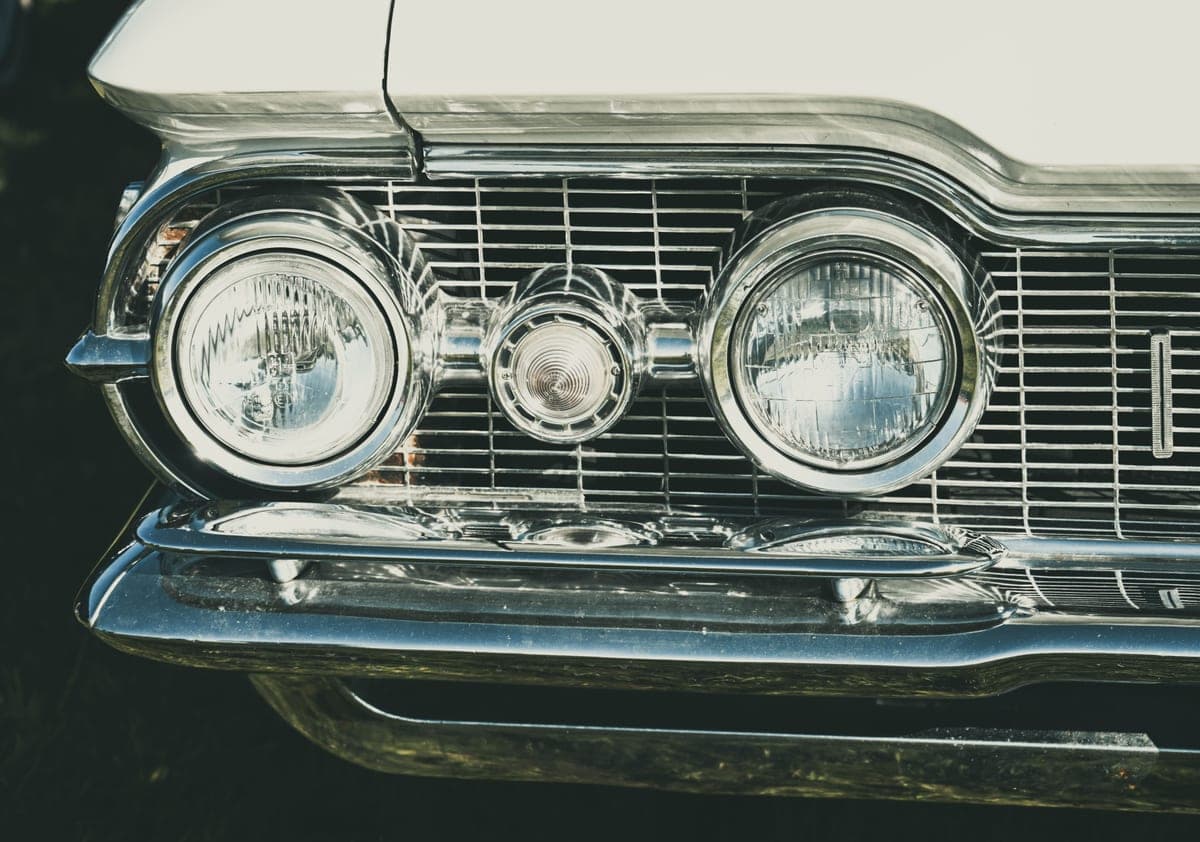
Sourcing for classics is a different job
With a modern vehicle the VIN resolves to a part number in seconds. With a classic the catalogue may predate electronic records, the chassis number may sit outside the manufacturer's current system, and the same part may have been made in several variants over a production run. Classic car parts sourcing is therefore as much about identification as availability: confirming exactly which version of a part your car was built with before searching for it.
We work with classic and vintage vehicles from mainstream marques and specialist manufacturers alike — British, European, American and Japanese — for restorers, classic specialists and garages looking after older cars for their customers.
Where classic parts come from
- Manufacturer heritage and classic programmes. A number of manufacturers support older models with reintroduced or remanufactured genuine parts. Availability depends on production batches, so a part unavailable this month may be listed next.
- Specialist suppliers and marque specialists. Independent businesses that have concentrated on a marque or era for decades, often holding stock nobody else has.
- Genuine new-old stock. Unused parts in period packaging, acquired from dealer clear-outs and specialist holdings.
- Used genuine parts. For trim, brightwork, castings and body sections, a good used original is frequently the correct choice for a period-correct restoration.
- Remanufactured and reproduction parts. Where nothing original survives. We describe these as exactly what they are so you can decide what is acceptable for the car.
Identification: chassis number, photographs and casting marks
Send the chassis (VIN) number and, where possible, the engine and body numbers from the identification plates. Photographs matter more for classics than for any other request: a picture of the part, its casting numbers, stamped marks and any surviving labels lets us match variants that a catalogue description cannot separate. If you have a factory parts book reference, include it. Our guide on finding parts by VIN or registration covers where identification plates sit on older vehicles.
Don't know the part number? No problem. Send us the chassis number, a photograph of the part and as much information as you have.
Classic body panels, brightwork and trim
Panels and brightwork are the classic-car requests that stop projects. Wings, sills, doors and floor sections may exist as heritage remanufactures, as new-old stock or as good used sections; chrome and stainless trim is usually new-old stock or used, occasionally reproduction. We tell you which category each item is and where it is coming from before you commit. For panel work on more modern vehicles, see genuine body panels.
Mechanical and electrical parts for classics
Cooling, fuel, ignition, braking and suspension components for classics are often supported by specialist suppliers and heritage programmes even when the manufacturer's main catalogue shows nothing. Electrical items — switches, gauges, looms and lighting — are usually new-old stock or good used. Where a component is obsolete in every market, we say so and discuss the remanufacture options. See also mechanical components sourcing.
Working with restorers over the life of a project
A restoration is not one request; it is a list that changes as the car comes apart. We work with restorers as a single point of contact for the whole list — tracking what has been found, what is on order from a heritage programme and what is still open — so you are not re-explaining the car each time. See restoration parts sourcing for how that works, and hard-to-find parts for low-volume and specialist classics.
Documenting the car before you order
Most classic parts problems are identification problems, and most identification problems are solved by a few minutes with a camera before the first request goes in. For a car you are going to be sourcing parts for over a period, we suggest recording these once and sending them with every request:
- The chassis plate, engine number and body number, photographed rather than transcribed.
- Any commission, build or trim plates and their codes.
- The car's specification as built, if known — engine, gearbox, brakes, options — and any known changes made during its life.
- The factory parts book or catalogue edition you are working from, if you have one.
- Photographs of the parts you are likely to need, with casting numbers, stamped marks and any surviving labels.
With that file, a request becomes 'the part in photograph 12 for this car' rather than a description, and the search starts on the right variant first time.
New genuine, new-old stock, used and reproduction — how we describe classic parts
Classic parts arrive in more categories than modern ones, and the category affects price, fit and what is appropriate for the car. Every classic part we quote is described as one of the following:
- New genuine (heritage programme) — a current remanufacture by or for the original manufacturer under a heritage or classic programme, supplied new.
- Genuine new-old stock — an original part, unused, in period packaging. Rubber and plastic items in this category may have aged; we say so.
- Used genuine — an original part removed from a vehicle, with condition and origin described.
- Reproduction — made by a third party to replicate the original, described with the maker and any known fit or finish differences.
Restorers have strong views on what is acceptable for a particular car, so tell us your preference per part and we will search accordingly. See restoration parts sourcing for how we manage a project list over time.
Classic Car Parts: frequently asked questions
Do you source parts for vintage and pre-war cars as well as classics?
Yes. Identification relies more on chassis and engine numbers, photographs and parts-book references than on a registration, so send whatever plates and marks you can photograph.
Are used parts acceptable for classic cars?
Often they are the right answer, particularly for period-correct restorations. We only include used genuine parts in a search if you tell us they are acceptable, and we describe condition and origin when we quote.
Can you find classic car parts that are no longer manufactured?
We search heritage programmes, specialist suppliers, new-old stock and the used market. If nothing original survives we tell you and discuss remanufacture or reproduction, described as exactly what it is.
Do you work with private classic car owners?
REMCAM is trade only. Owners should ask their restorer or classic specialist to send us the request.
Can't find the part? Let us find it.
Send us the registration, VIN or part number and we'll search our sourcing network.